



Power and the keys to Pochaiv Lavra
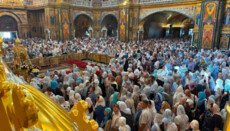
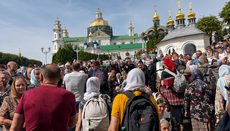
The large-scale processions to Pochaiv from the Volyn and Vinnytsia regions, along with the massive celebrations marking the feast of the Pochaiv Icon of the Mother of God, sparked a fierce reaction from local media outlets and activists. Pilgrims were branded "wait-and-seers," "Vatniks," "sabotage and reconnaissance groups," and even "a threat to Ukraine's national security."
The culmination of this wave of criticism came in a statement by Vasyl Ilychyshyn, head of the Kremenets–Pochaiv State Historical and Architectural Preserve. He filed a complaint with the police, claiming that neither the clergy nor the pilgrims had sought permission from the Ministry of Culture. Ilychyshyn seriously argued that church services could damage the churches and other property of Pochaiv Lavra.
"Within the boundaries of the historical and cultural preserve, any activity that negatively affects, or may negatively affect, the preservation of cultural heritage sites, as well as the regulations governing their protection and use, is prohibited. This includes mass events, which may only be held with the approval of the authority responsible for managing the historical and cultural preserve – in this case, the Ministry of Culture," the official said.
At the same time, he overlooks one essential fact: Pochaiv Lavra was not built by the state, nor was it established as a "cultural heritage site." It was built by believers as a place of prayer. He also forgets that after decades of Soviet devastation, it was the faithful themselves who restored and rebuilt the monastery. And he ignores the fact that both he and the Ministry of Culture have essentially the same relationship to Pochaiv's holy sites as Soviet officials had several decades ago.
There is another historical parallel.
According to Cossack chronicles, in the seventeenth century the keys to Orthodox churches in Right-Bank Ukraine were held by Jewish stewards acting on behalf of Polish magnates who owned the land. They decided whether churches would be opened, whether services would be allowed, and how much people would have to pay.
Did these men build the churches? No. Did they care for their upkeep? No.
If their demands were translated into today's bureaucratic language, they might well have said that their role was to ensure Orthodox believers did not "negatively affect the preservation of cultural heritage sites or the regulations governing their protection and use."
As the saying goes, spot the ten differences.