
Zaporozhian Cossacks in defense of the persecuted faith
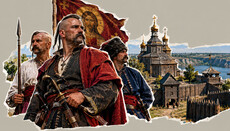
The story of how Cossacks raised their sabers to stand up for humiliated priests and, at the same time, caused unrest in churches.
It is enough to open the studies on the history of the Zaporozhian Cossacks to see before one's eyes the complex picture of religious confrontation in Right-Bank Ukraine. Official historiography long presented the Cossacks exclusively as soldiers of fortune seeking military plunder or political dividends. However, ancient acts reveal a different motivation of the Zaporozhians. When Polish lords and Uniate missionaries began the forcible imposition of a new faith, Cossack kish and kurins rose up and went to defend Orthodox churches and beaten priests, perceiving the abuse of their flock as a personal insult.
An Oath Before the Altar
The procedure for forming alliances within the Sich had a profound religious dimension. The custom of brotherhood-in-arms had a sacred context. When the Zaporozhians decided to become sworn brothers, they went not to the tavern or to the square, but under the vaults of a church. In the presence of a priest, the Cossacks signed special documents, vowing before God to respect one another regardless of any threats from friends or enemies.
To confirm this oath, the warriors kissed the holy cross and the opened Gospel. The priest served as witness and spiritual guarantor of the spiritual union, sanctifying the brotherhood with prayer. This ritual pattern can be traced in many regions of the Orthodox world.
The Cossack community always sought support at the church altar when state courts refused people a fair resolution of their problems.
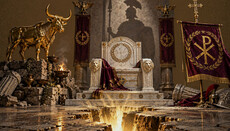
The Cossack officers fully understood the value of spiritually sealing agreements. The regalia of the Zaporozhian Host were kept directly beneath the altar table in the sanctuary, and religious rites accompanied every important decision of the Cossack kosh. Faith permeated the entire way of life of the free republic, turning churches into centers of prayer and equality.
Retribution for Shorn Beards
Documentary evidence of that time explains the reasons for many of the Zaporozhians' military campaigns. The materials of Lviv researchers cite the motives behind Cossack raids against the estates of the szlachta. The Zaporozhians openly declared that the Uniates "wrought great devastation upon the Christian people." They seized Orthodox priests, subjecting them to public mockery.
Cossack chroniclers describe how the heads, beards, and mustaches of clergymen were forcibly shorn, subjecting them to cruel torment. These humiliations affected not only the clergy but also ordinary laypeople. When the punitive detachments of the confederates marched into Ukrainian lands intending to break the faith with iron, the Cossacks answered violence with violence.
Vengeance for the humiliated shepherds became the main slogan of popular uprisings. The destruction of the Union's infrastructure was perceived by the warriors as just retribution for the desecrated shrine.
No royal prohibitions could stop this wrath, since the popular memory preserved the name of every tortured priest. Punitive raids turned into a religious war, where the Cossack sabre served as the only argument against official tyranny.
A Brawl Beneath the Dome of the Church
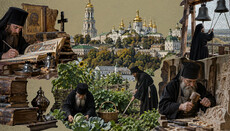
The relationship between the Cossacks and the clergy was far from harmonious and ideal. The real life of the Sich differs from romantic legends. Disciplinary cases have been preserved in archival collections, testifying to the strict control exercised by the Kish over clergymen.
There is a known case when a priest named Koshman was expelled from the monastery merely for having gone to Kyiv on his own without permission from the military command. The Sich demanded unconditional submission to discipline from the clergy. Moreover, churches often became the scene of turbulent passions.
On January 6, 1748, during the election of the Kish Ataman, a grand brawl broke out on the square.
When the crowd of Cossacks moved to the Pokrovska Church for the evening service, the fighting continued right under the vaults of the temple.
Several people were wounded, and the altar was left covered in blood. The frightened priest could not finish the divine service, abandoned the liturgy, closed the doors, and sealed the church.
This episode shows that the Cossacks remained living people with all their passions, sins, and cruelty. However, even in moments of grave turmoil, they returned to the Christian faith. Three times a day the Cossacks filled the churches for prayer, and the starshyna occupied special wooden seats during the service. Faith remained the core of the community, uniting free people in the face of external threats. The Cossacks could quarrel to the point of bloodshed inside the church, but they were always ready to defend the Orthodox throne from external enemies to the very end.