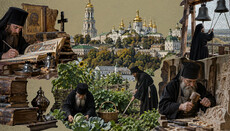

Podil’s ark amid the plague catastrophe
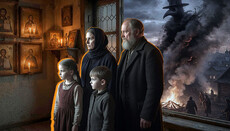
In the mid-17th century, Kyiv found itself at the epicenter of an epidemic and war. Court records and chronicles reveal how residents sought refuge inside their locked homes.
During the plague epidemic of the 1650s, when the city authorities had effectively ceased to function and the constant rotation of military garrisons had turned Podil into a battleground for street clashes, Kyiv’s townspeople largely stopped taking disputes to court. The magistrate’s flow of documents dwindled sharply. Residents shut the heavy oak gates of their homesteads, cutting themselves off from a dying world.
The epidemic of indifference in the smoke of wormwood
In the autumn of 1651, plague swept through Podil with such force that the city’s familiar way of life collapsed almost overnight. Entire artisan guilds were wiped out within days. Bundles of bitter wormwood and juniper burned around the clock in the narrow streets. Residents believed the acrid smoke could cleanse the poisoned air. Infected homes were boarded up from the outside, turning living quarters into tombs.
The dead were no longer given funeral services in churches or carried to parish cemeteries. Bodies were buried directly in courtyards so that the gates would not have to be opened again. The townspeople became deeply divided. Fear of infection burned away human compassion. It is a condition painfully familiar to us, having only recently endured the terrible coronavirus pandemic.
The Eyewitness Chronicle describes that period in chilling terms: “People fall and lie like firewood... There was no mercy among them. Everyone wandered from town to town, shunning one another – fathers their children, and children their fathers.”
When the political order collapsed and panic drove people to avoid one another, Kyiv’s townspeople found themselves in complete isolation.
Under those conditions, an ordinary Podil homestead became the only place where human relationships still survived. The head of the household was forced to become judge, physician, and priest to his own family.
The memory of eternity in a merchant’s will
The only document that continued to be drawn up inside those sealed homesteads was the last will and testament. As carts carrying the bodies of dead neighbors passed outside, merchants and craftsmen seemed to forget that a will was supposed to begin with an inventory of property.
In its opening lines, the testator entrusted his immortal soul to God and asked for a Christian burial. The document was composed by candlelight as the Psalter was read aloud.
A person could not alter the course of the war or stop the spread of disease, but he remained fully accountable for his spiritual choices.
There is no sense of panic in these texts. A townsman carefully specified which household member would inherit his tools, who would receive the family icons, and who would be responsible for paying minor debts. Such meticulous order became a kind of protective barrier against chaos.
A contemporary of that era, St. Dimitry, Bishop of Rostov, who grew up in the family of a Kyiv Cossack captain, later wrote of the state of such a person’s soul: “Earthly consolation suddenly vanishes and turns to sorrow, but the consolation of the Most Holy Spirit in the Lord always comforts and will comfort forever with an ineffable consolation.” The people of Kyiv came to know this truth better than most, living each day on the edge of survival.
Seventeenth-century wills also show that, even in mortal danger, people remained concerned with leaving funds for memorial services and assistance to widows. The plague could not sever the strong spiritual bond between generations.
A stronghold in the heart of chaos
During the plague years, a Podil courtyard resembled Noah’s Ark. Within that wooden fortress, families preserved not only food supplies but also their Christian humanity. Prayer at home burned away the miasma of panic, empty rumors, and despair.
When church services became inaccessible because of quarantine, the center of religious life shifted to the family hearth. The reading of Holy Scripture, regular fasting, and prayer before household icons kept people from losing their minds. The head of the household gathered family members and servants for their daily prayers, transforming a locked room into a church.
Within that confined space, people learned to live amid total uncertainty, receiving each new day as a gift from God. Quietly preserving order within the family became the townsman’s principal spiritual labor.
The experience of our compatriots showed that no chaos can overcome those who preserve their human dignity and remain faithful to God. The devastating plague swept over the city and eventually subsided, the Time of Troubles came to an end, and the small Podil ark endured, preserving a spiritual foundation for future generations of Christians.