
Lithuanian govt vows to protect Orthodox Church from Russian intelligence
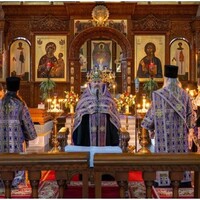

Lithuania’s Foreign Ministry has called for curbing the influence of Russian intelligence services on the Church, while an adviser to President Nausėda warned against labeling the entire structure a security threat.
Lithuanian authorities intend to restrict the activity and influence of Russian intelligence services within the structures of the country’s Orthodox Church, LRT reports.
Foreign Minister Kęstutis Budrys said that the Vilnius–Lithuania Eparchy remains dependent on the Moscow Patriarchate despite public statements about seeking autonomy. “We should prevent the activities of Russian intelligence services within this organisation,” Budrys stressed.
The minister compared the religious organization to the commercial sector: “If this were a company seeking to invest in a strategic sector, we would check whether it meets national security interests. Because of its links to Russian services and direct influence, it would not be allowed to hold assets near our strategic facilities.” He added that the authorities must “carefully remove” individuals trying to exert influence within the Church.
At the same time, Lithuanian President Gitanas Nausėda’s national security adviser, Deividas Matulionis, urged against branding the entire Orthodox Church as a threat. “If we are talking about sabotage or destabilisation, it is not the Orthodox Church itself but those actors who may be involved in recruitment or other activities who should be the target of our intelligence services,” Matulionis said. In his view, to declare the whole Church a threat to national security from the outset would be “too bold” a step.
A report by Lithuania’s State Security Department claims that the hierarchical structure of the Moscow Patriarchate makes it possible to exert significant influence over foreign eparchies. Lithuanian intelligence believes that the Vilnius Eparchy’s push for partial autonomy is aimed at “easing public criticism” while retaining its overall dependence on Moscow.
Earlier, the UOJ wrote that Vilnius had reported a rise in the number of Ukrainians in the parishes of the Lithuanian Church.