
The UGCC “сan survive persecution” – unless it happens to someone else
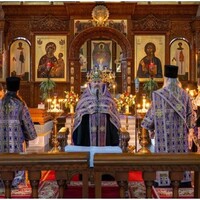
The current situation surrounding the UOC is no different from what the Uniates themselves experienced after the Lviv Council.
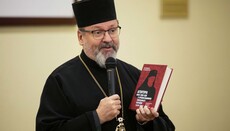
The head of the UGCC, Sviatoslav Shevchuk, held a roundtable at a Kyiv university посвященный the 1946 Lviv Council, which reunified the Uniates with the Russian Orthodox Church. A council the UGCC never mentions without attaching the label “pseudo,” since it was initiated and backed by the Soviet authorities. After that council, the Greek Catholics did not disappear – they went underground for forty years.
At the meeting, Shevchuk drew parallels with the present condition of Uniates in territories under Russian control. He complained that the last Greek Catholic priest left Donetsk in 2023, and that the UGCC community, which first emerged there back in the 1980s under the Soviet regime, can no longer pray in its own church.
“What was permitted even in the Soviet Union is now forbidden in the occupied territories,” the head of the UGCC lamented, before adding that “the Church is capable of surviving even persecution.”
And with that phrase, one can hardly argue. But it does raise some obvious questions.
Of course, it is regrettable that the UGCC church in Donetsk is no longer functioning. But the UGCC clergy left of their own accord, Greek Catholics in Donbas number only a handful, and the territory is under occupation. Besides, it is rather strange to expect Russia to respect anyone’s religious rights – this is, after all, what many here would call “Mordor.”
But we live, supposedly, among the “fair-eyed elves” – so surely things should be different here, should they not? Let us recall what has actually been happening to UOC churches in Western Ukraine.
In 2022, the authorities demolished the Transfiguration church for no reason at all – today there is only an empty lot in its place. In 2023, St. Vladimir’s Church in Lviv was torn down. The authorities in the Lviv and Ivano-Frankivsk regions declared that the structures and parishes of the UOC had been completely eliminated from their territories. Police, activists, and journalists track down parishioners who secretly gather for services in private apartments.
In other words, this situation is no different from what the Uniates themselves faced after the Lviv Council. At the very least, it is no better than what is happening today in the occupied territories. The difference is that Shevchuk has no influence over the Russian authorities, but he certainly does have influence over the Ukrainian ones. One or two statements from him in defense of the UOC could have changed the situation fundamentally, because in Western Ukraine the UGCC wields virtually unquestioned influence.
And yet we have heard nothing of the kind from him.
That is why all these complaints about the UGCC’s past and present “persecutions” simply do not ring true.