
Orthodox Church celebrates Antipascha
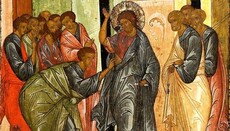
The feast of Antipascha brings Bright Week to its close while at the same time renewing the joy of Pascha.
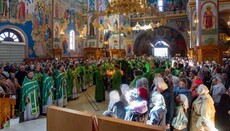
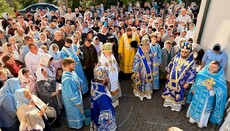
On April 19, 2026, the Orthodox Church marked the feast of Antipascha, which in church tradition is also known as Thomas Sunday. This celebration, mentioned in Christian sources as early as the fourth and fifth centuries, falls on the eighth day after Pascha and concludes the festal period of Bright Week.
The name “Antipascha” comes from a Greek word meaning “instead of Pascha” or “in the face of Pascha.” Church tradition interprets the term not as something opposed to the great feast, but as its renewal – a return to Paschal joy and a deeper experience of the mystery of the Resurrection. Metropolitan Anthony of Sourozh emphasized that Antipascha is the moment when the faithful turn their faces once more toward Pascha, as the Church again immerses itself in the atmosphere of the Paschal night.
On this day, the Church commemorates the appearance of the Risen Savior to His disciples on the eighth day after His Resurrection from the dead. According to the Gospel of John, the Apostle Thomas, called the Twin, was not present at Christ’s first appearance and expressed doubt about His Resurrection.
He wished to see with his own eyes the wounds from the nails in his Teacher’s hands in order to believe the miracle. Eight days later, the Lord again stood before the apostles behind closed doors and invited Thomas to touch His wounds. Then the shaken disciple uttered his confession of faith: “My Lord and my God!”
Strengthening Thomas and all future Christians, the Savior spoke words that have become a spiritual support for millions of believers: “Because you have seen Me, you have believed. Blessed are those who have not seen and yet have believed.” This Gospel episode affirms the fundamental dogma of the bodily Resurrection of Jesus Christ and reminds us that a sincere search for truth can lead a person to a profound knowledge of God.
St. Gregory the Theologian called this day “Renewal,” urging every Christian to leave old habits behind and begin a new life, drawing on the fruits of Christ’s redemptive feat. The symbolism of the eighth day points to the eternity of the coming Kingdom of God, where the Paschal rejoicing of the righteous will be without end. In addition, from Antipascha begins the new annual cycle of kathisma readings.