
Volodymyr-Volynskyi Eparchy marks 30 years since restoration
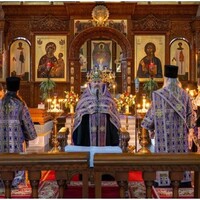
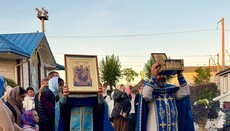
The Pantanassa Icon and relics of Prince Volodymyr have arrived in Kovel and will visit churches across the Volodymyr-Volynskyi Eparchy to mark the 30th anniversary of the restoration of the episcopal see.
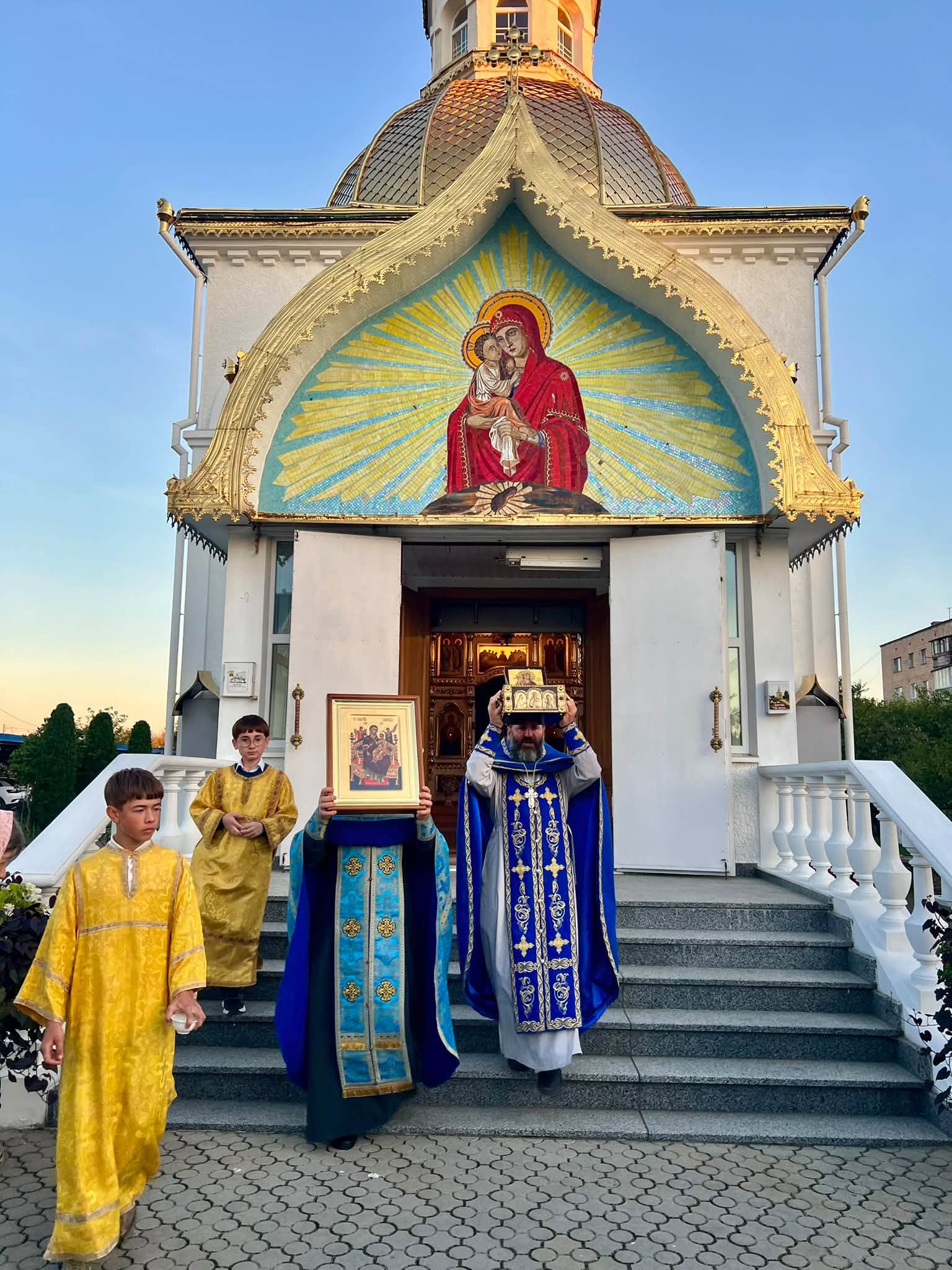
To mark the 30th anniversary of the restoration of the episcopal see, the UOC’s Volodymyr-Volynskyi Eparchy will bring the Pantanassa Icon of the Most Holy Theotokos and a reliquary containing a particle of the relics of Holy Equal-to-the-Apostles Prince Volodymyr to churches throughout the eparchy. This was reported on the Volodymyr-Volynskyi Eparchy’s Facebook page.
The first community to welcome the holy objects was the Pochaiv Icon of the Mother of God church complex in Kovel.
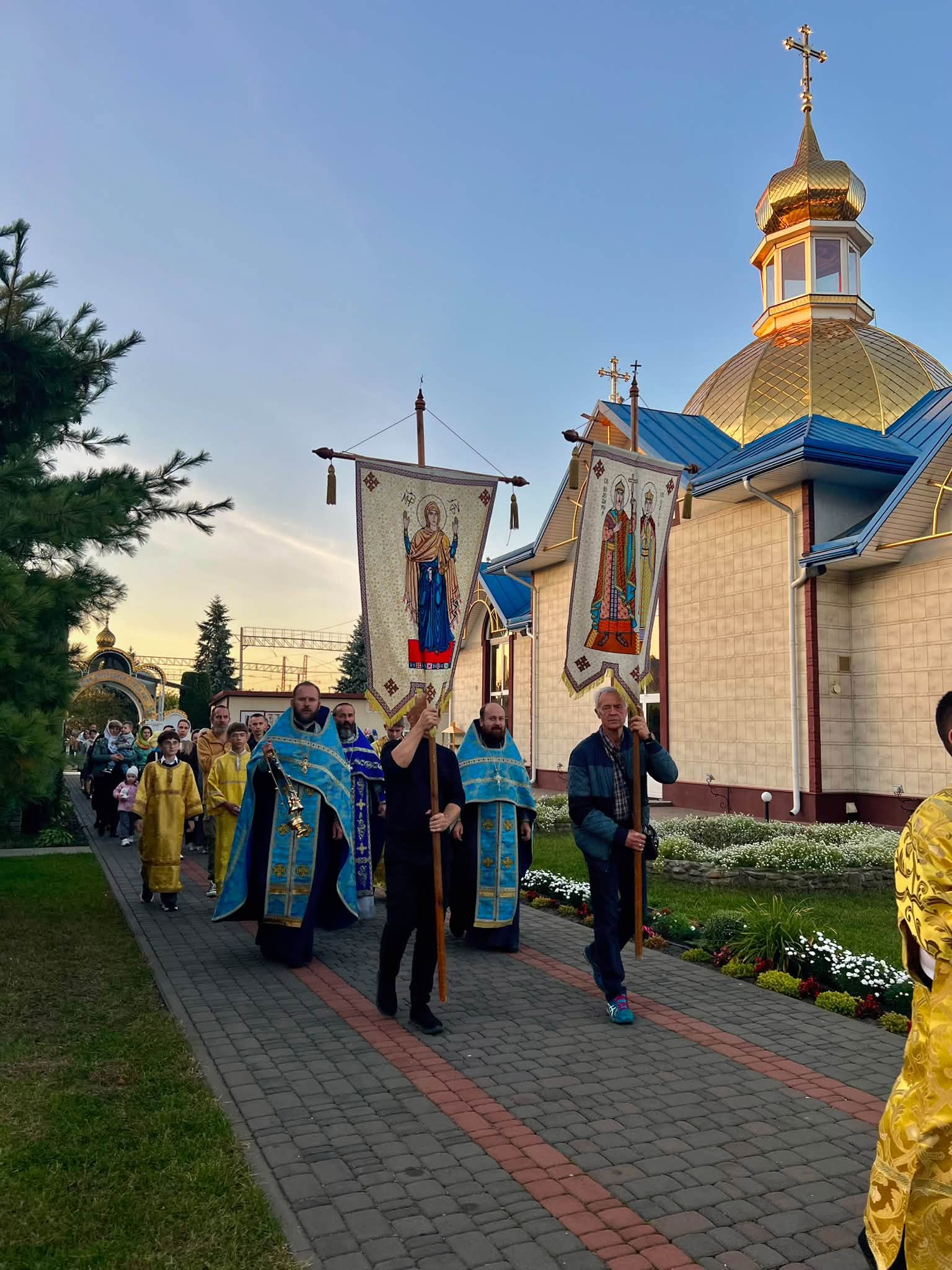
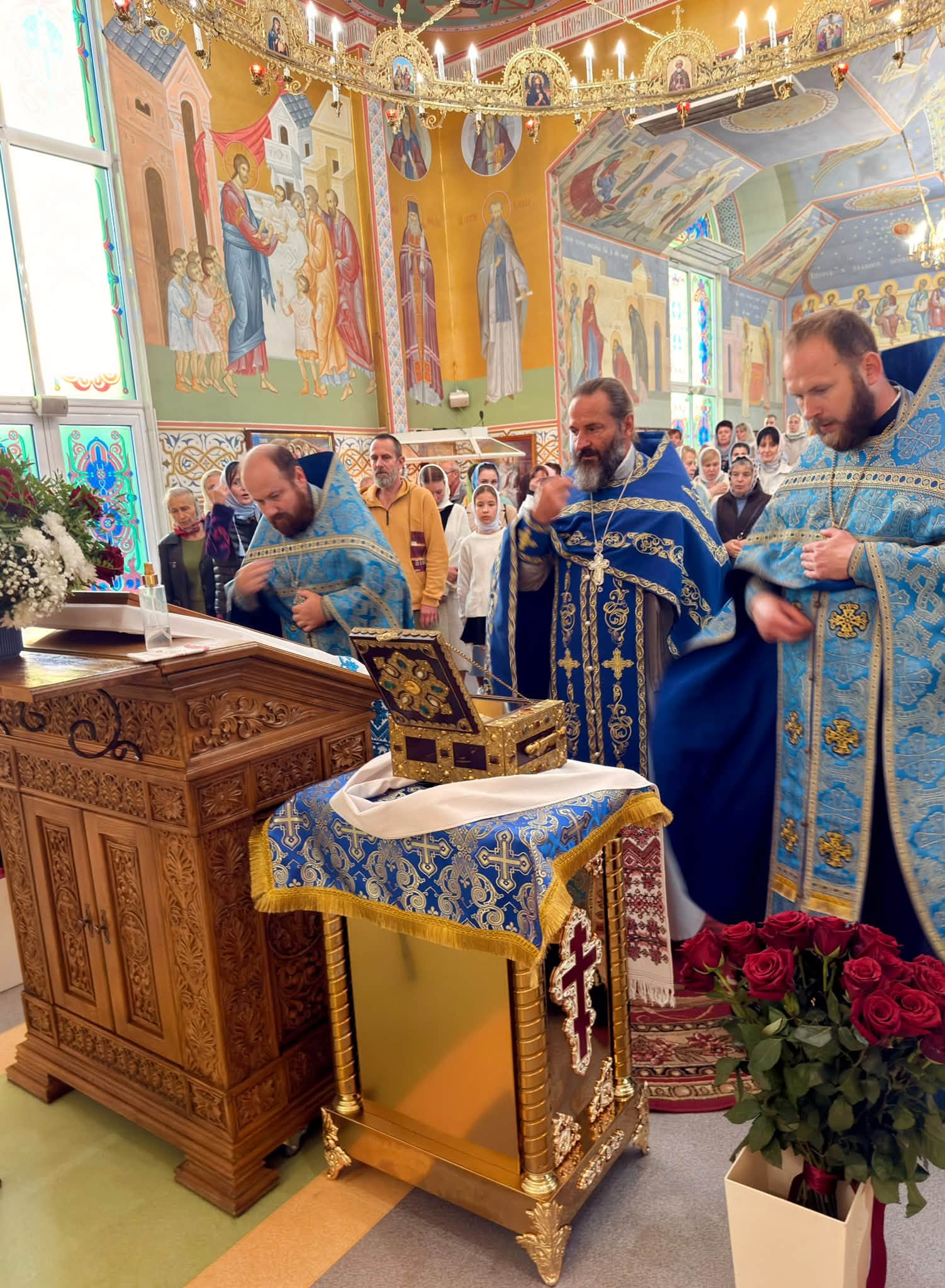
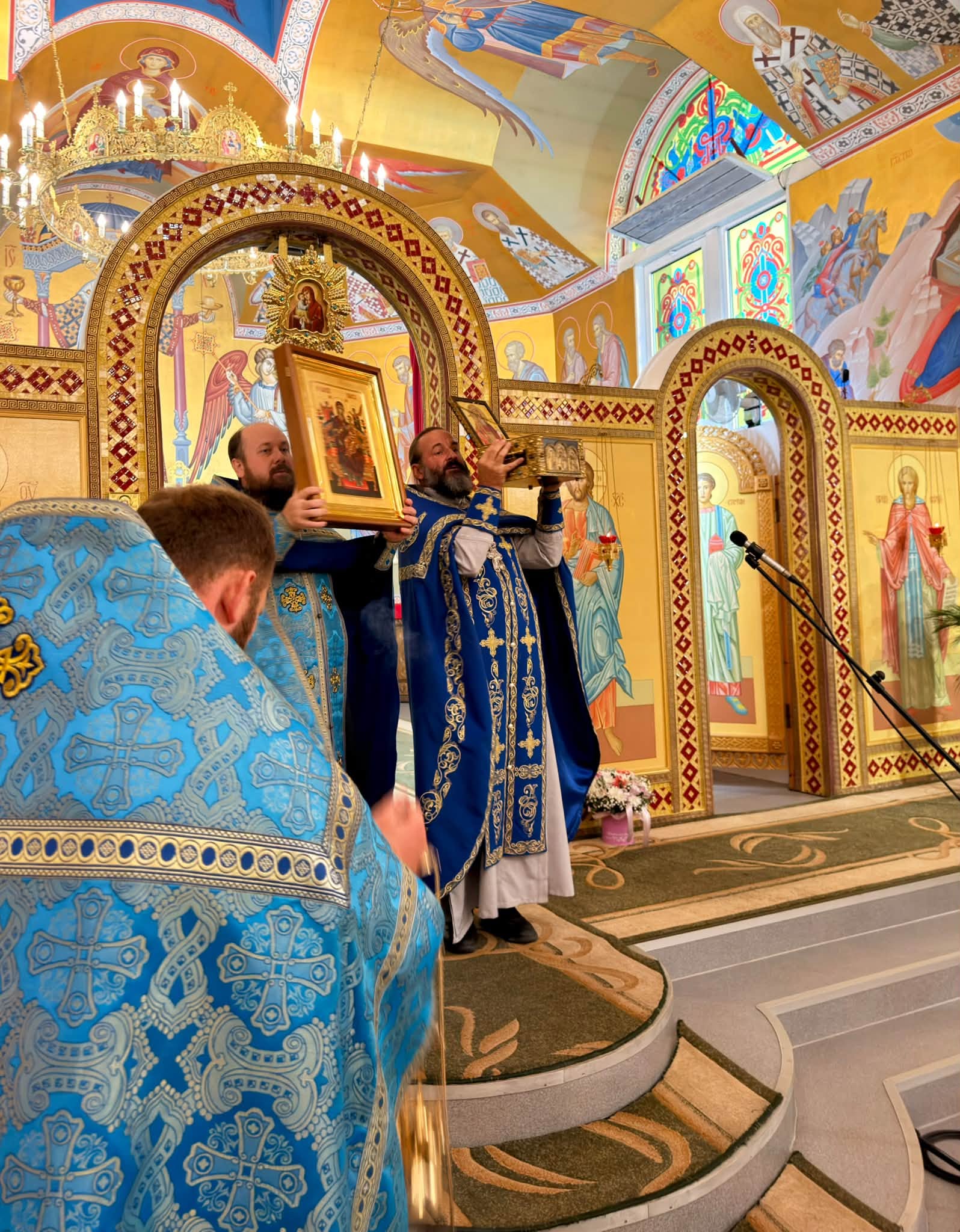
During a solemn evening service, clergy carried the icons and holy relics in a cross procession around the church complex. The holy objects were then placed before the altar of St. Sergius of Radonezh Church for veneration by the faithful.
With the blessing of Metropolitan Volodymyr, the ruling hierarch of the eparchy, the holy objects will visit all deaneries of the eparchy. While they remain at the church complex, prayer services and akathists will be celebrated before them.
The schedule has already been announced for the Kovel, Holoby, Kovel-Resurrection, and Kovel-Presentation deaneries. From October 3 to 4, the holy objects will be at the Exaltation of the Cross Church in Liublynets, followed by the Church of the Renewal of the Resurrection, St. Seraphim of Sarov Church in the village of Verbka, and St. George Church in Holoby. They will then visit the Resurrection Cathedral, the Presentation Church, and St. Michael’s Church, with this part of the itinerary concluding on the morning of October 10. The eparchy said it would publish the schedule for the remaining deaneries later.
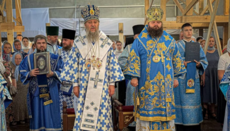
As the UOJ reported, the relics of Holy Prince Volodymyr and Great Martyrs Barbara and Catherine were brought to Kovel. The Pantanassa Icon (Greek: Παντάνασσα) is one of the best-known wonderworking icons of the Mother of God. The most famous version, dating to the 17th century, is kept at Vatopedi Monastery on Mount Athos. The faithful pray before the icon for healing from serious illnesses, including cancer, for the health of children and loved ones, and for deliverance from harmful addictions.