
Papal encyclical text was written with AI, study says
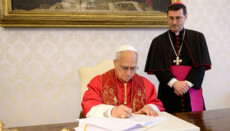
A detector found that some paragraphs of the encyclical were entirely generated by artificial intelligence.
Researcher Lynch Zhang identified signs of generated text in Pope Leo XIV’s new encyclical, Magnifica Humanitas. The Pangram detector recorded the presence of artificial intelligence in several paragraphs of the document. According to the report, some portions of the text consist entirely of machine-generated content. This was reported by LifeSiteNews.
The analysis showed that the seventh and eighth paragraphs of the encyclical were 100% created by a bot. Other sections of the document contained up to 60% generated content. Zhang suggested that senior Vatican officials used the Claude neural network to prepare the materials. The detector identified telltale signs of algorithmic writing in the form of specific rhetoric and frequent use of certain words. At the same time, similar documents by Popes Benedict XVI and John Paul II were classified by the detector as entirely human-written.
The situation appears ironic, since the encyclical itself calls for protecting the dignity of the human person in an age of technological development. The use of AI to write instructions on human dignity points to systemic problems in the preparation of Roman Curia documents.
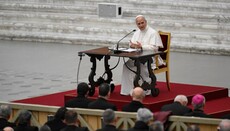
As the UOJ reported, Pope Leo called for artificial intelligence to be “disarmed” and freed from the logic of domination and war. The pontiff described the modern technological revolution as an epochal turning point and called for digital advances to be directed toward the good of all humanity.