

The trap of false patriotism and spiritual courage in an age of persecution

True love for one’s homeland begins with victory over one’s own passions. An Orthodox cleric reflects on faithfulness to God, the tricks of politicians, and the temptations of careerism.
True patriotism (from the Latin pater – “father”) begins with love for one’s family and loved ones, with a desire to serve them selflessly, comfort them, and bring them joy. A person who loves those closest to him strives neither by word nor deed to offend or harm them. From there, this love extends to one’s home, one’s street, one’s city, and ultimately to the country in which one lives.
At the same time, Christians always remember the words of the Apostle Paul: “For here we have no continuing city, but we seek the one to come.” Love for family and homeland can never surpass love for God. Otherwise, we become like pagans who worship not the one true God but demons and passions. This is where false patriotism is born, along with aggression and hostility toward those for whom God, rather than the state, comes first.
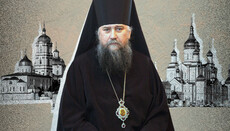
Victory over the passions
Counterfeit patriotism is nourished by sinful passions, especially anger, greed, and pride. It is telling that corruption scandals so often involve those who now stand in the front ranks of persecutors of our Church.
It is easy to be a “patriot” who constantly proclaims his love for the motherland, wears an embroidered shirt, and wraps himself in the national flag. Yet only a person who conquers his passions is truly capable of loving both his neighbor and his homeland.
A particularly serious spiritual danger is ethnophyletism – elevating one’s nation and culture above all else. There is nothing wrong with love for one’s people. The problem begins when, under pressure from unscrupulous politicians hungry for power, pastors are urged to place national interests above the commandments of the Gospel and the canons of the Church.
Orthodox Christians – and especially Church hierarchs – must be guided in such circumstances by the evangelical principle: render unto Caesar the things that are Caesar’s, and unto God the things that are God’s.
We must never seek to please earthly authorities more than God. Otherwise, the salt of our faith loses its savor. The more desperately we try to please this world, the less good we actually do for it.
The trap of pleasing Caesar
For centuries we have witnessed the unhappy example of Western Christianity. After the schism of 1054, the institution of the papacy, driven by a thirst for power, increasingly evolved into a political structure clothed in ecclesiastical garments.
Likewise, many Protestant movements, despite their impressive knowledge of Scripture, their preaching, and their social activism, often produce not trust but division when they surrender to worldly passions. Most tragically, they lose the strength to resist evil, and sins once considered shameful come to be proclaimed as normal.
Perhaps they are guided by the words attributed to Martin Luther in a letter to his friend and colleague Philip Melanchthon: “Be a sinner and sin boldly, but believe and rejoice in Christ even more boldly...” Whether intended or not, such thinking can become an excuse for spiritual complacency.
Overcoming bitter resentment
How is a believer to live through war without becoming consumed by hatred? How can one overcome fear and endure suffering without despair?
Only those who possess a firm faith in God, who see the depth of their own sinfulness and struggle to rise from it, can truly resist hatred and hopelessness.
Every trial – whether illness, hunger, or war – is seen not as an unforgivable injustice but as a bitter medicine permitted by God.
Despite pain and loss, such people continue to work honestly and help others. They deepen their prayer and fasting, for without them forgiveness and genuine mercy become nearly impossible.
Whatever happens, the most important thing is not to be afraid, to remain calm, and to support those whose burden is heavier than our own. Much of the folly in our lives is born of fear. Like the Apostle Peter, we sink beneath the waves of life’s stormy sea. To overcome fear, we must grow continually in love. Perfect love alone casts out fear.
The temptations of ecclesiastical comfort
Particular demands are placed upon the younger generation of clergy. They must cultivate patience, avoid careerism and the pursuit of honors, develop their intellects, and deepen their spiritual lives. Surrounded by countless temptations, this task can seem nearly impossible. Yet with God, all things are possible.
Our families seek to provide us with comfort, and we ourselves often crave it. We want fine clothes, comfortable homes, and expensive cars. In doing so, we sometimes forget how easily we can become a stumbling block to others. Someone who sees only vanity in a priest may decide never to enter a church at all.
That is why a clergyman must be both restrained and generous.
On feast days, birthdays, or name days, there is no need to organize lavish banquets for distinguished guests. Certainly, we should honor both the occasion and those gathered around us. Hospitality is a form of love. Yet the table should not groan under expensive delicacies and alcohol merely to display wealthy sponsors or to provoke envy.
A far better witness is moderation, sobriety, and self-restraint. Under no circumstances should Church fasts be broken for the sake of a celebration. It would be far better to prepare a rich table for the poor, who are never far away.
And above all, priests must support one another in both joy and sorrow. Today, as our churches are being seized, this is more important than ever.
Only then will we become true patriots.
And, more importantly, true Christians and faithful preachers of the Gospel.