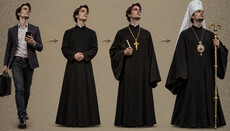

Depression can strike even saints
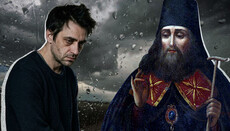
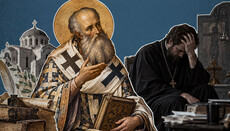
In 1767, Bishop Tikhon of Voronezh committed an act that shocked the entire Holy Synod. A brilliant administrator, a profound intellectual at the very peak of his episcopal career, he submitted a petition for retirement. He was only forty-three years old – an age at which church hierarchs are just coming into their own.
Official reports preserved only dry wording: severe nervous disorder, chronic insomnia, constant dizziness, and complete physical exhaustion. Officials in St. Petersburg were reluctant to let such a valuable leader go, but St. Tikhon virtually begged to be granted the right to withdraw into seclusion. He retired to Zadonsk.
What was bashfully called "temptation by melancholy" in the 19th century, modern pastors and doctors diagnose unhesitatingly as a severe form of clinical depression.
This was not the poetic, noble sadness that novels love to describe. It was a physically debilitating and profoundly oppressive condition. The saint's cell attendants, Vasily Chebotarev and Ivan Efimov, left very honest memoirs about that period.
There were weeks when the great saint could not make himself even cross the threshold of his room. He would lock himself inside, refuse food, cry for hours on the floor, and experience panic attacks. He was overwhelmed by a sense of absolute abandonment by God. At times this inner torture became so unbearable that the Zadonsk elder, in heartbreak, asked God for only one thing – death.
Passion or cross?
A cruel and primitive stereotype still persists in our church circles. If a person feels bad, if he has lost all joy in life and cannot get out of bed, the standard diagnosis is: "You’re not praying enough. This is the sin of despondency. Go and repent." And so the person buries their pain even deeper, suffocating under the weight of that verdict.
But here we need to draw a clear distinction. It is one thing to have a capricious, self-centered dissatisfaction with life when everything is in order, yet one is bored and seeks attention. That is indeed a passion that must be confessed and struggled against. It is an entirely different matter when the psyche breaks down under the strain of extreme stress.
Saint Tikhon's severe melancholy was not lack of faith but an illness. It was an unbearably heavy, bleeding cross that God allowed His righteous servant to carry all the way to the grave.
To blame a person for depression amid war and catastrophes is as absurd as reproaching him for contracting tuberculosis or breaking his leg. After all, God does not turn away from us when we run out of strength to smile for show.
The lazy horse method
How did a person survive inside this hopeless darkness? Saint Tikhon of Zadonsk understood: when emotions are dead, it is futile to seek spiritual exaltation or joy within oneself. Waiting for it to "pass by itself" is deadly dangerous. So he shifted to the rails of strict discipline.
In his letters to spiritual children, he compared the human soul afflicted with melancholy to a lazy horse.
"From your letter I see that despondency has attacked you," writes the saint. "This is a fierce passion, with which Christians who wish to be saved must struggle greatly… I advise you as follows: persuade yourself and compel yourself to pray and to do every good deed, even when you do not feel like it. Just as people drive a lazy horse with a whip so that it will walk or run, so we must compel ourselves to every task, and especially to prayer. Seeing such labor and effort, the Lord will grant willingness and zeal.”
When the saint began another attack of melancholy, he would take an axe and go to the monastery courtyard to chop wood.
With a dead, numb heart, drenched in sweat, he carried heavy buckets of water, dug earth in the garden, trampled mud with his boots on forest paths. He literally forced his blood to move, and his mind to be distracted from inner demons through monotonous and heavy work.
Moreover, while at the very bottom of his personal hell, Tikhon continued to give away his modest episcopal pension down to the last penny. He interceded for local peasants before landowners, received pilgrims, treated others' pain in those very minutes when his own soul was being torn apart. He acted through "I don't want to," literally through violence against his own powerlessness.
The art of small steps
The experience of the Zadonsk elder is a powerful existential shield for each of us. Christianity was never a factory of routine smiles or a session of cheap psychotherapy. Our faith is the readiness to remain human and continue moving forward even when you feel nothing.
When the world around collapses with deafening grinding, and the psyche cannot encompass the scale of historical tragedy, we should not demand spiritual heroics from ourselves.
Do not try right now to save humanity or feel great Paschal joy if everything inside is burned out. The "lazy horse" recipe saves lives.
Sometimes the greatest spiritual feat of the day is simply forcing yourself to get out of bed. Pour hot water into a cup. Mechanically, with lips only, recite "Our Father," not demanding immediate tears or spiritual exaltation from your heart. Go and fix the lock on an elderly neighbor's door, tidy the room, do one small, simple deed for someone who is nearby. Engage the art of small steps.
We have the full and lawful right to be tired and weak. God does not expect a flawless facade from us. And perhaps it is precisely at that moment when we finally unclench our fists and quietly whisper: "Lord, I feel nothing anymore," that He will imperceptibly appear on the threshold – the One who has carefully led our wounded, tired soul-horse by the bridle all our lives.